

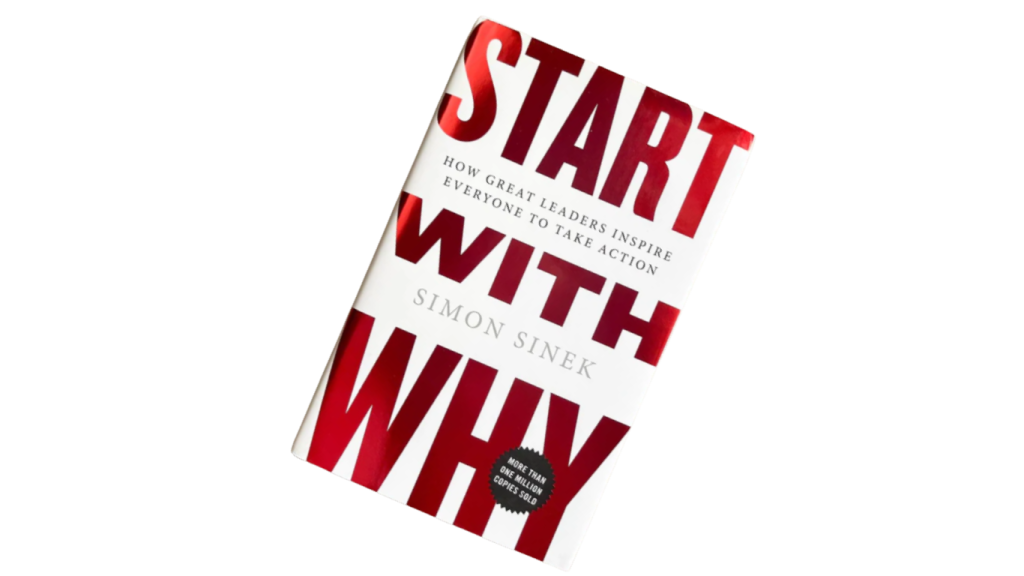
Leading with Purpose
Two Paths to Influence
There are only two ways to influence human behavior: you can manipulate it or you can inspire it.
— Simon Sinek
In business, there are generally two approaches to influence: one focuses on manipulation — using price cuts, promotions, fear tactics, peer pressure — while the other focuses on inspiration.
The first can produce quick wins but often erodes trust and loyalty over time. The second asks leaders to start by sharing why they exist before explaining how and what they do.
I’ve seen organizations burn themselves out chasing short-term numbers. Shifting to inspiration takes longer but builds a loyal customer base that often advocates for the brand without being asked.
 Want lasting growth? Shift your team’s mindset from “How do we sell more?” to “Why do we exist?”
Repeat Business vs. True Loyalty
Repeat customers may come back because it’s convenient or cost-effective. Loyal customers return even when they have cheaper or flashier alternatives.
Loyalty is built on relationships, not transactions. A discount may get someone in the door; shared values keep them there.
Ask your top customers: Why do you stick with us? If their answer reflects your values, you’re on the right path.
The Foundation of Trust
Trust isn’t a checklist; it’s a feeling.
Trust isn’t a checklist; it’s a feeling. People trust you when they believe you act for reasons beyond self-interest and when your words and actions consistently match. For leaders, this means aligning the company’s stated values with daily decisions, from hiring to customer service.
Audit your company’s recent decisions: Do they align with your mission, or were they driven by short-term wins?
The Power of Belonging
Humans are wired to seek belonging, sometimes even against their own logic. Brands that communicate a clear why give people a sense of identity. Communities often form around these shared beliefs without ongoing marketing.
Think of the fan culture around certain tech brands — the loyalty is about what they stand for, not just the product features.
Visionaries & Executors
Some people imagine what’s possible (the visionaries); others build the systems to make it happen (the executors). Both roles are essential.
Many successful founders are executors who know how to get things done, but transformative growth often happens when vision and execution work hand in hand.
If you’re a visionary founder, find a builder. If you’re a builder, team up with someone who challenges the status quo.
Why the Golden Circle Works
The “why–how–what” model aligns with how our brains process information. Communicating from why speaks to the emotional decision-making part of the brain before the rational side gets involved.
Start pitches or team meetings with purpose, not product specs.
Authenticity as a Business Asset
Authenticity means your actions match your beliefs. You can succeed without it, but lasting impact usually requires it. Inconsistency between brand values and behavior is spotted quickly by employees and customers alike.
Don’t use “authentic” as a brand word — live it. Let your why guide everything, from design to hiring.
Hiring for Motivation
The best companies don’t just hire for skill; they look for people who are already motivated and then give them a meaningful cause to work for. A motivated employee with a clear purpose will innovate naturally; without that, they may leave to find meaning elsewhere.
Decision-Making Through Purpose
Not every tactic that works for others will work for you. The “purpose filter” ensures decisions align with the organization’s core beliefs. Before saying yes to a new partnership or product, ask: Does this reflect why we exist?
Before approving new strategies, ask: Is this aligned with our why — or just popular?
Leaders as Environment Builders
A leader’s job isn’t to have all the ideas but to create an environment where good ideas emerge from anywhere in the organization. Some of the most innovative product tweaks often come from frontline staff who understand customer pain points firsthand.
Discovering & Living Your Why
Your “why” often comes from personal history and life experiences. The challenge isn’t finding it — it’s staying true to it. Leaders who consistently communicate their purpose can inspire movements, not just sales.
Ask yourself:
– What moment in my past shaped what I care about most today?
– What pattern connects all the work I’ve been proud of?
Final Thoughts
“People don’t buy what you do; they buy why you do it.”
When your why is clear, consistent, and communicated with heart, it attracts those who believe what you believe. That’s when business becomes a movement.
These insights work best when paired with your own leadership context. The real shift happens when why is not just a marketing line but the lens through which you make every decision.

Log in to take the quiz and earn Thrive Points.
Log In
Test